
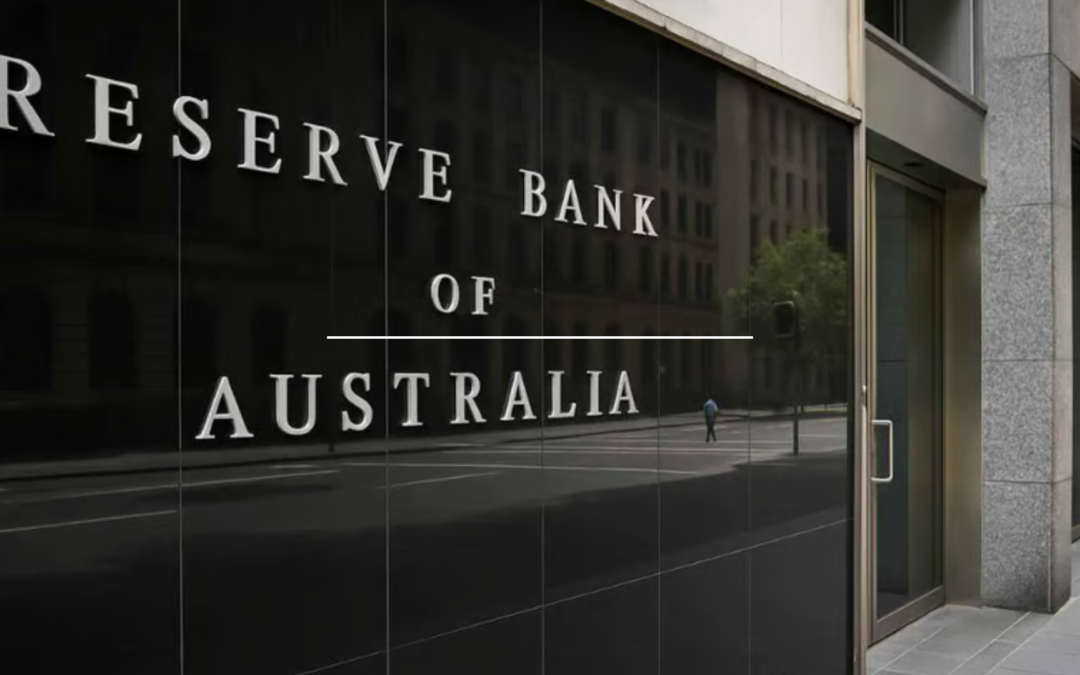
When the Reserve Bank of Australia (RBA) increased the official cash rate to 3.85% in February 2026, it wasn’t just another headline about “interest rates going up.”
For Australian business owners, homeowners, accountants and property professionals, the RBA interest rate rise has real, practical consequences.
If you’re wondering how the RBA February 2026 rate increase affects your mortgage, your borrowing power, your clients or your financial reporting, here’s what it actually means in simple terms.
What Is the RBA Cash Rate and Why Should You Care?
The RBA cash rate is the benchmark interest rate that influences how much it costs banks to borrow money. When this rate moves, almost every other interest rate in Australia moves with it, including home loans, business loans and savings accounts.
The RBA adjusts the cash rate to manage inflation, employment and economic stability. Its goal is to keep inflation within its 2–3% target range over time (Reserve Bank of Australia 2026).
When inflation remains persistent, as it has leading into February 2026, the RBA increases the cash rate to slow spending and borrowing. Higher interest rates reduce demand across the economy, helping to bring inflation back under control.
So while the rate rise may feel frustrating, the intention behind it is long-term economic stability.
Why Did the RBA Increase Rates in February 2026?

According to the RBA’s February 2026 Monetary Policy Decision, inflation pressures particularly in services and housing remained stronger than expected. The Board also noted ongoing strength in the labour market and solid housing demand (Reserve Bank of Australia 2026).
In simple terms:
- Inflation had not fully returned to target
- Household spending was still resilient
- The property market remained active
- Economic conditions were stable enough to absorb tighter policy
To prevent inflation from becoming entrenched, the RBA lifted the cash rate.
For businesses and households, that decision directly affects borrowing costs, financial planning and cash flow management.
How Higher Interest Rates Affect Your Mortgage and Cash Flow
If you have a variable home loan, this is where the impact hits first.
Higher Variable Home Loan Repayments
When the RBA increases the cash rate, lenders typically pass that increase onto borrowers. Even a 0.25% rate rise can significantly increase monthly repayments depending on your loan size (Forbes Australia 2026).
For example:
- A $600,000 mortgage could increase by around $90–$100 per month
- A $1 million mortgage could rise by over $150 per month
That’s real money coming out of your household budget.
Pressure on Monthly Household Cash Flow
Higher mortgage repayments reduce disposable income. That means:
- Less spending on non-essential items
- Reduced savings capacity
- Greater financial stress for heavily leveraged households
This tightening of household cash flow is one of the primary ways higher interest rates slow inflation.
Reduced Borrowing Capacity
If you’re looking to buy property or refinance, higher interest rates lower your borrowing power. Banks assess loans using serviceability buffers, meaning your maximum loan amount shrinks as rates rise.
For first home buyers and investors, this can mean adjusting expectations or delaying purchases.
Refinancing Decisions Become Strategic
In a rising rate environment, refinancing is less about chasing lower rates and more about:
- Securing stability
- Negotiating better loan structures
- Managing long-term risk
Impact on Australian Accounting Practices

For Australian accountants, the RBA interest rate increase goes far beyond general economic commentary, it directly affects financial reporting, valuation and advisory work.
As interest rates rise, so do the implications for clients.
Valuation of Assets & Liabilities
Changes in the cash rate alter discount rates used to calculate the present value of future cash flows. This impacts fair value measurements for long-term assets and liabilities.
If you’re working with:
- Investment properties
- Long-term contracts
- Financial instruments
You may need to reassess valuation assumptions.
Financing Costs & Profit Margins
Companies must adjust interest expense forecasts as debt servicing costs increase. Higher borrowing costs reduce net profit margins and affect forward projections.
For business clients relying on debt funding, this means reviewing capital structures and cash flow forecasts more frequently.
Superannuation & Pension Accounting
For entities with defined benefit plans, higher interest rates can reduce the present value of long-term liabilities. While that may improve balance sheet positions in some cases, it requires careful recalculation and disclosure.
Borrowing Costs & Financial Reporting
As seen during 2022–2024, sustained higher rates increase interest expenses, directly impacting profitability and cash flow statements. Accountants must monitor inflation and employment data closely, as these indicators drive RBA decisions and influence forward guidance.
In today’s environment, accountants are not just reporting numbers, they are helping clients navigate a higher-cost financial landscape.
Impact on the Mortgage Industry

Mortgage brokers and lenders sit at the frontline of every RBA cash rate movement.
Higher interest rates typically lead to:
Increased Refinancing Enquiries
Homeowners actively look for better rates, fixed options or loan restructures to manage rising repayments.
Lower Loan Approval Volumes
As borrowing becomes more expensive, some buyers pause their property plans altogether.
Reduced Borrowing Capacity
With higher assessment rates and serviceability buffers, the amount clients qualify to borrow shrinks. This directly affects purchasing power in the property market.
More Conservative Lending Behaviour
Lenders tighten credit policies, scrutinise expenses more closely and become more selective in risk assessment.
Importantly, client conversations change. In lower-rate environments, the focus is often on maximising borrowing potential. In a higher-rate climate like February 2026, the conversation shifts to sustainability,“Can I comfortably afford this if rates rise again?” and “How do I protect my cash flow?”
For mortgage professionals, this environment demands more than rate comparisons. It requires education, strategic structuring and long-term planning support.
Impact on the Australian Real Estate Market

The relationship between RBA interest rates and Australian real estate is strong but not always simple.
Higher interest rates generally:
- Cools down buyer demand
- Slows property price growth
- Reduce investor activity
However, supply shortages, migration growth and employment strength continue to support property demand in many cities.
While rate rises can soften momentum, they do not automatically cause property prices to fall especially in supply-constrained markets.
What This Means for You
Whether you’re:
- A business owner reviewing financing
- A homeowner managing repayments
- An accountant advising clients
- A buyer entering the property market
The February 2026 RBA rate increase signals that we are in a higher-rate environment for now.
The Key Takeaway

The RBA cash rate isn’t just an economic headline, it directly affects your mortgage repayments, borrowing capacity, business costs and investment decisions.
A small rate increase can quickly translate into real financial pressure for households and businesses across Australia.
That’s why understanding how the RBA interest rate works is so important.
When you know what’s driving rate changes like inflation and housing demand, you can plan ahead instead of reacting under pressure. In a higher-rate environment, informed decisions make all the difference.
Recent Comments